
As the cryptocurrency market continues to evolve, many Pi Network users are eager to understand how Pi coins can be deposited, traded, or used on Binance, one of the world’s largest cryptocurrency exchanges. However, it is critical to clarify a fundamental point at the outset: as of the current date, Pi Network (PI) has not been officially listed on Binance. The Pi Network mainnet remains in its enclosed phase, and the tokens are not yet tradable on major centralized exchanges like Binance, Coinbase, or Kraken. Any claims suggesting otherwise may be based on speculative rumors, fake listings, or scam promotions.
That said, the demand for Pi to Binance integration continues to grow. Many users search for terms like "how to use Pi on Binance" or "Pi coin Binance listing date," seeking a roadmap for future use. While there is no official way to trade Pi on Binance today, understanding the technical and procedural steps once a listing occurs—if it ever does—is valuable. This guide focuses on how users can prepare for a potential Pi listing on Binance and what the process would realistically look like.
First, if Binance were to list Pi Network, the process would typically begin with a deposit phase. Users would need to have their Pi coins migrated from the Pi app wallet to the mainnet wallet, and then from the mainnet wallet to the Binance deposit address. This requires completing the KYC (Know Your Customer) verification on the Pi Network app and ensuring your Pi wallet is fully activated. Without a successful migration to the mainnet, no external transfer is possible.
Second, you would need a verified Binance account. If you do not already have one, you must register on Binance.com or the Binance app, complete identity verification (Level 1 or Level 2), and enable two-factor authentication for security. Even if Pi is listed in the future, Binance will require that all traders comply with their own KYC and anti-money laundering policies. An unverified account will not be able to deposit, trade, or withdraw Pi coins.
Third, once Pi is listed and deposits are enabled, users would navigate to the "Deposit" section on Binance, search for "PI" or "Pi Network," select the correct network (likely the Pi Blockchain mainnet), and generate a deposit address. You would then copy that address into your Pi wallet's send function, carefully double-checking the wallet address to avoid losing funds permanently. Binance typically provides a network fee estimate and may require a minimum deposit amount.
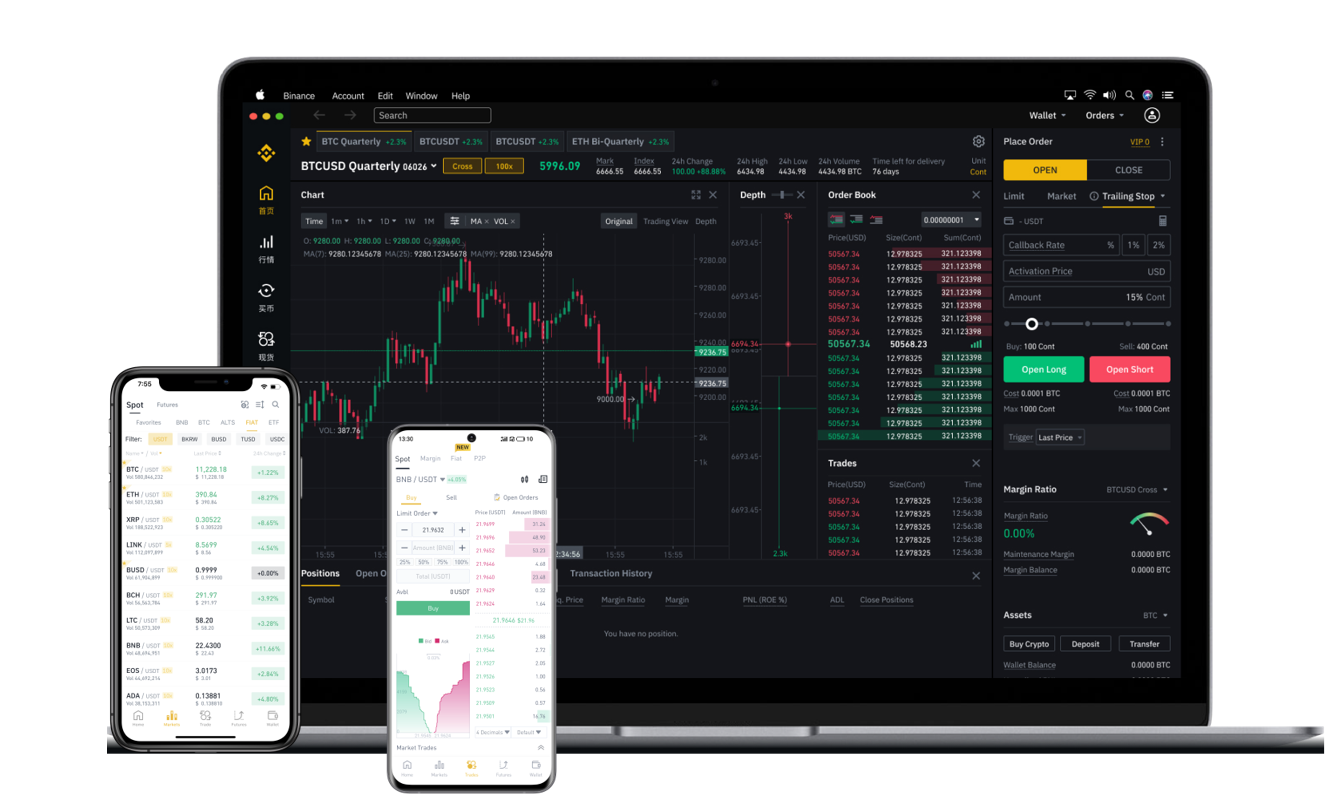
Fourth, after the deposit is confirmed on the blockchain, the Pi coins would appear in your Binance spot wallet. You could then trade Pi for other cryptocurrencies such as USDT, BNB, or BTC using the spot trading interface. Binance also supports advanced trading tools like limit orders, stop-limit orders, and margin trading for listed assets. However, Pi trading pairs would only be available after official listing and sufficient liquidity.
It is important to note that Pi Network's official team has not announced any listing agreement with Binance. Rumors circulating on social media or unofficial websites should be treated with extreme caution. Users may encounter fake Pi tokens on Binance’s testnet or on other exchanges that claim to be Pi but are actually unrelated tokens with similar names. Always verify the official contract address and confirm with Pi Network's official communications.
Additionally, some users may try to use Pi on Binance through peer-to-peer (P2P) trading or third-party bridges. This is currently not supported for Pi, as the coin is not available on any external decentralized exchange that Binance recognizes. Attempting to send Pi to a Binance wallet address before the network is supported will result in a total loss of funds. Scammers often exploit this confusion, so never send Pi to any Binance address unless you see an official deposit notice.
In summary, "how to use Pi Network on Binance" is a question without an immediate action step. The only safe approach is to wait for an official announcement from either Pi Network or Binance regarding a listing. In the meantime, you can prepare by completing your KYC on Pi, backing up your wallet seed phrase, maintaining a verified Binance account, and staying informed through official channels. Do not fall for fake deposit links or promises of early access. When the time comes, the procedure will be straightforward: deposit from Pi wallet to Binance address, verify the transaction, and start trading.